


HILTON HOTELS GYM DESIGN CASE STUDY
great gym design: hotels & hospitality
For many years, fitness facilities were designed primarily around equipment capacity and durability, and operational efficiency often dictated the decisions being made. While those factors remain essential, expectations have evolved. Today, users expect fitness spaces to feel just as considered as the rest of the environments they move through.
No sector understands this better than hospitality.
For hotel brands such as Hilton, the fitness facility isn't simply another amenity. It's part of the overall guest experience. Whether someone is checking into a suite, visiting the restaurant or heading to the gym before breakfast, every environment contributes to how they perceive the brand.
That creates an interesting design challenge.
How do you create a gym that feels premium whilst delivering the durability, versatility and performance expected from a commercial fitness facility?
Our values align with B Corp principles, and certification formalises, measures and strengthens that commitment.
Small Spaces Demand Better Design
One of the biggest misconceptions in gym design is that adding more products creates a better facility.
In reality, the opposite is often true.
Unlike many commercial gyms, hotel fitness facilities usually operate within a relatively compact footprint. They also need to cater for an incredibly broad range of users, from guests squeezing in a quick workout before a meeting to experienced exercisers following structured training programmes.
So every square metre has to work harder.
Introduce too many flooring finishes, too many dedicated training zones or too many specialist products and a small space can quickly begin to feel fragmented and cluttered.
The best hotel gyms take a different approach.
Rather than trying to fit everything in, they focus on versatility. A carefully considered layout, combined with durable materials that support multiple styles of training, creates spaces that feel larger, flow better and accommodate a wider variety of workouts.
Sometimes, the smartest design decision is knowing what not to include.
Making Every Square Metre Count
One principle we return to on hotel projects is making as much of the gym as possible genuinely usable training space.
Rather than dividing compact rooms into multiple flooring finishes, we often recommend using premium rubber flooring throughout the majority of the facility. A surface such as S7R's Roca Mocha allows guests to perform almost anything, from strength training and walking lunges to mobility work and conditioning, while complementing the wider hotel aesthetic.
By comparison, introducing decorative vinyl walkways or multiple flooring transitions may create visual interest, but it can also reduce the amount of flexible training space available within an already limited footprint.
When versatility is designed into the floor from day one, the entire room works harder for both guests and operators.
It's a philosophy we've explored in more detail in our recent OurHouse flooring project, where flexible flooring specification became a key part of the overall design.
A Practical Example at Hilton London Tower Bridge
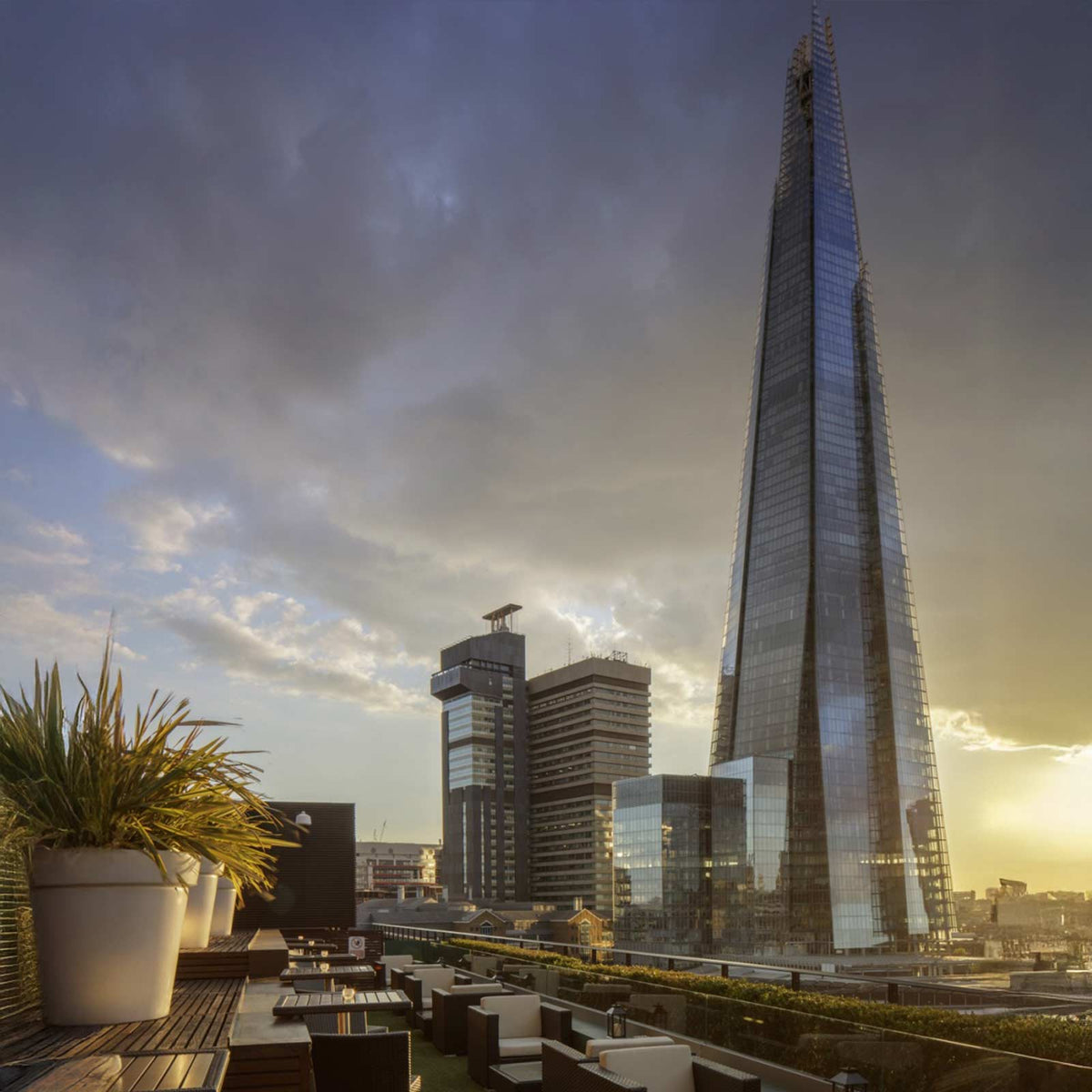
One example of this approach can be found at Hilton London Tower Bridge.
Working alongside Hilton's fitness product team, the objective wasn't simply to specify attractive flooring. It was to create a space that balanced aesthetics, durability and flexibility whilst remaining consistent with the wider hotel environment.
S7R's Roca Mocha rubber flooring was selected throughout the main training space, creating a cohesive visual finish while allowing guests to move freely between different styles of training. Within the dedicated free weights area, a thicker 20mm Mediana rubber tile provides additional impact protection where heavier lifting demands it.
The result isn't a gym that feels divided into separate zones.
Instead, it feels open, adaptable and intuitive to use, while still delivering the performance expected from a busy commercial environment.
It's a relatively simple specification decision, but one that demonstrates how thoughtful material selection can improve both functionality and the overall guest experience without unnecessarily complicating the design.

The Wider Guest Experience
One of the most interesting aspects of hotel fitness design is that the gym never exists in isolation.
Unlike a standalone health club, it's one part of a much larger customer journey.
Guests don't separate the fitness facility from the reception, the bedrooms or the restaurant. They experience the hotel as one brand.
That means the gym has to feel like it belongs.
Materials, finishes and colours should complement the wider design language while still delivering a practical environment capable of standing up to daily commercial use.
Over more than 15 years of supporting Hilton's fitness product team, we've seen that philosophy remain remarkably consistent. While products, materials and layouts continue to evolve, the objective has stayed the same: create spaces that guests genuinely enjoy using.
Why Hospitality Continues to Influence Gym Design
Hospitality has demonstrated that aesthetics and performance aren't competing priorities.
The most successful hotel gyms combine:
- Durable, commercial-grade materials.
- Flexible layouts that maximise usable space.
- Flooring that supports multiple training styles.
- Equipment selected for versatility rather than quantity.
- A design language that reflects the wider brand.
When those elements come together, the gym becomes far more than somewhere to exercise.
It becomes another positive touchpoint within the guest experience.
As Matt Tailby, Director of Fitness Development and Operations at Hilton Hotels, explains:
Our fitness facilities play an important role in the overall guest experience, so every design decision needs to support both performance and presentation. What we've valued throughout our long-standing relationship with Stronger is their ability to bring fresh thinking and innovation while always understanding the realities of a hospitality environment. Whether it's flooring, equipment or layout considerations, they've consistently helped us create spaces that feel aligned with the wider Hilton experience whilst remaining durable, practical and enjoyable to use for our guests.
Looking Beyond the Gym Floor
As wellness continues to play an increasingly important role within hospitality, hotel gyms are no longer being treated as forgotten amenities tucked away in the basement.
They're becoming carefully considered environments that reflect the same standards found throughout the rest of the property.
For the wider fitness industry, there's also an important lesson here.
Great gym design isn't about filling a room with more equipment or more finishes.
It's about creating flexible, welcoming spaces where every design decision earns its place.
Because when every square metre works harder, so does the entire guest experience.